What Is Supply Chain?
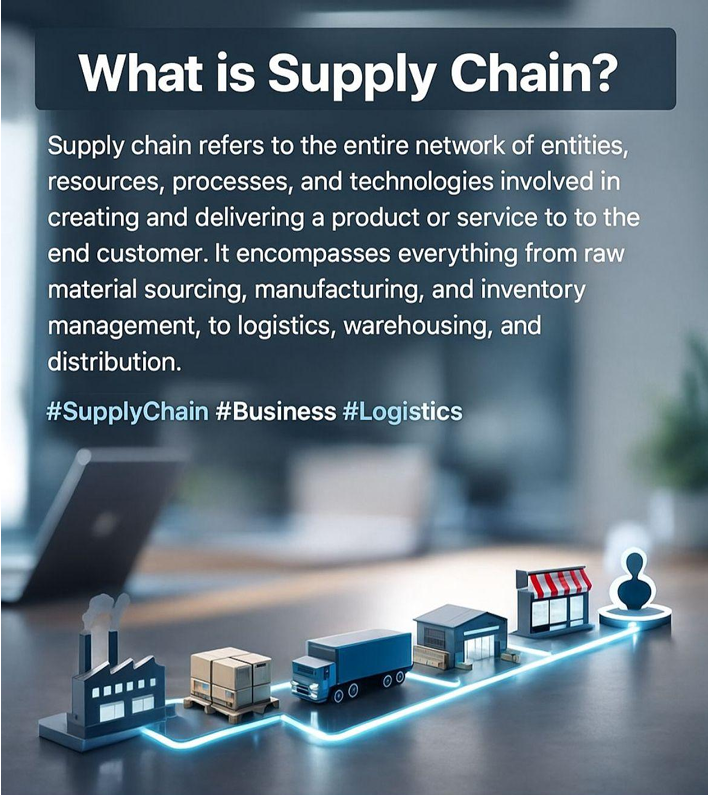
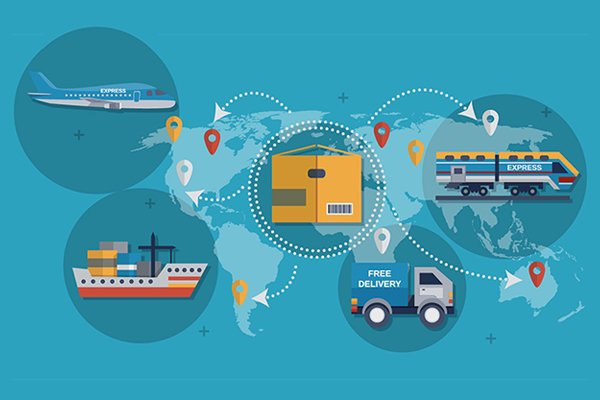
The supply chain is the backbone of every successful business operation. It represents the complete journey of a product from sourcing raw materials to manufacturing, transportation, warehousing, retail, and finally reaching the customer.
Understanding the supply chain means understanding how businesses truly operate behind the scenes.
Key Components of the Supply Chain
1. Demand Planning
Forecast customer demand using historical data, market trends, and analytics.
Align production and procurement plans accordingly to avoid shortages or overstock.
2. Procurement (Sourcing)
Identify reliable suppliers for raw materials or finished goods.
Evaluate supplier performance, negotiate contracts, and manage purchase orders.
3. Material Planning (MRP)
Determine required materials, quantities, and timelines.
Ensure stock availability to support production without delays.
4. Manufacturing / Production
Convert raw materials into finished goods.
Includes assembly, production scheduling, and quality control processes.
5. Inventory Management
Monitor stock levels across warehouses.
Apply inventory methods such as:
- FIFO (First In, First Out)
- LIFO (Last In, First Out)
- FEFO (First Expired, First Out)
Maintain safety stock levels and reorder points to ensure smooth operations.
6. Warehousing Operations
- Receive goods (Inbound logistics)
- Store products under defined conditions (temperature, humidity, segregation)
- Picking, packing, and staging orders (Outbound logistics)
7. Transportation & Distribution
Plan vehicle routes, optimize loading, and schedule shipments.
Deliver goods to distributors, wholesalers, retailers, or directly to customers.
8. Order Management
Process customer orders efficiently.
Ensure product availability, accurate scheduling, and timely fulfillment.
9. Logistics Coordination
Manage carriers, shipment tracking, documentation, and regulatory compliance.
10. Quality Control & Compliance
Inspect incoming materials, in-process production, and outgoing shipments.
Ensure products meet company standards and government regulations.
11. Reverse Logistics
Handle product returns, damaged goods, recalls, or recycling processes.
12. Performance Monitoring (KPIs)
Track performance using Key Performance Indicators such as:
- On-Time Delivery (OTD)
- Inventory Turnover
- Order Fulfillment Rate
- Lead Time
- Cost per Shipment
- Supplier Performance
Why the Supply Chain Matters
An efficient supply chain reduces costs, improves customer satisfaction, minimizes risks, and strengthens a company’s competitive advantage.
In today’s global economy, supply chain management is not just operational it is strategic.